
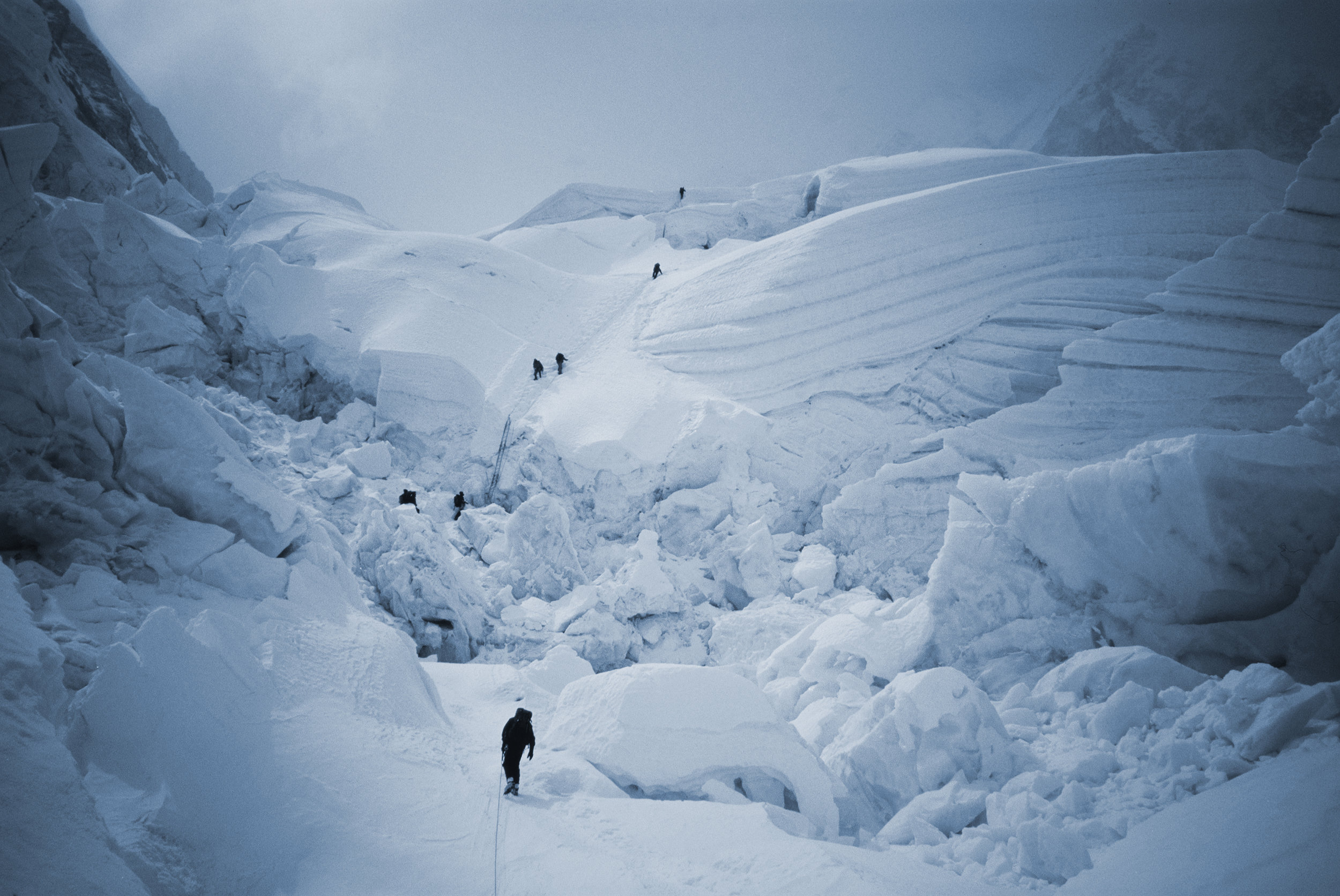
WORKING IN THE ‘NEW NORMAL’ IS NOT SO VERY DIFFERENT FROM An EXPEDITION TO mount EVEREST.
We’re all reliant on many people – some of whom we know, and some of whom we will never know. At the same time, many people are relying on each of us.
To support your colleagues who are working remotely, I’ve created a new talk in which I share what I’ve learnt about working alone, together on four environmental and mountaineering expeditions to Mount Everest. I discuss emptying the backpack of negative emotion, why there can be no passengers on any team, and the importance of taking the first step.
Let’s use this presentation – delivered live to your colleagues at your next virtual offsite or remote all-hands meeting – as a springboard for a meaningful conversation about steps we can take alone so that we can thrive together.
Here’s a highlight from ‘Alone Together’. (It’s my second favorite story in the talk.) Prefer to watch my whole presentation to check it’s right for your team? No problem.


WHAT’S INCLUDED?
‘Alone, Together’ live via your preferred video conference app (25 mins)
Live Q&A to dive into the topics that matter most to your team
My availability for an additional segment of your online event
Personal replies to post-event questions from attendees
Two pre-event calls to ensure we’re on the same page :)
NICE THINGS PEOPLE SAY
“I was completely impressed with your presentation and liked the way you wrapped in commentary about teams and individuals, which made it feel like you were part of my organization.” MICROSOFT
“The team could not speak highly enough about your attention to detail, incredible storytelling ability and overall joyous nature.” DELL
“Your dialog with our leadership team had such a positive impact on everyone. I can’t tell you how many times your lessons such as ‘press the pause button’ came up during the rest of our meeting.” VI LIVING

2020 CASE STUDY
A biotech company reconfigured its in-person offsite event across two half days on Zoom. Management and administrators working from home gathered online with biologists and chemists located at two scientific establishments.
I kicked-off day one with my ‘Alone, Together’ presentation and a thought-provoking Q&A, before taking part in a virtual team event and curry evening.
SELECTED CLIENTS
Abbott, Advantest, Ancile, Apttus, Bicycle Therapeutics, Cancer Research UK, Cervical Spine Research Society, Chief Learning Officer, Dell, Enterprise Estonia, Financial Managers’ Society, GSK, Havas, Holy Redeemer Hospital, IDEO, Inovalon, International Team for Implantology, Janssen, Legal & General, Lenovo, Merrill Lynch, Microsoft, Motorola, Morgan Stanley, Scottrade, Seabourn, Trevena, Vanguard, Vi Living, World Investment Conference.
A WORD ABOUT PRESENTING ONLINE
I’ve spent more than 30 years sharing stories in-person to audiences ranging in size from 12 to 1200. I delivered a series of remote conversations for Dell in 2018 to showcase how technology enables team members to work alone yet together. At the time we could not know that this would be the future of presentation!
I also have experience of presenting to camera for national television news stations (including the BBC). Come to think of it, presenting via Zoom is more akin to television than theatre – less public speaking and more private speaking.
SELECTED MEDIA APPEARANCES & PUBLICATIONS
ActivPursuits, BBC, CBS, Channel 4, Evening Standard, Extreme Places, Food & Travel, Geographical, Global Adventure, High, Hiut, ITV, Lonely Planet, No Limits World, NPR, On The Hill, Outdoor Enthusiast, Sky News, Summit, Surfer’s Path, The Guardian, The Daily Telegraph, The Times of London. (My first book, The Mountain Traveller’s Handbook, received an award at the National Outdoor Book Awards.)